When Metal Printing Fits Miami Removable Lab Workflows
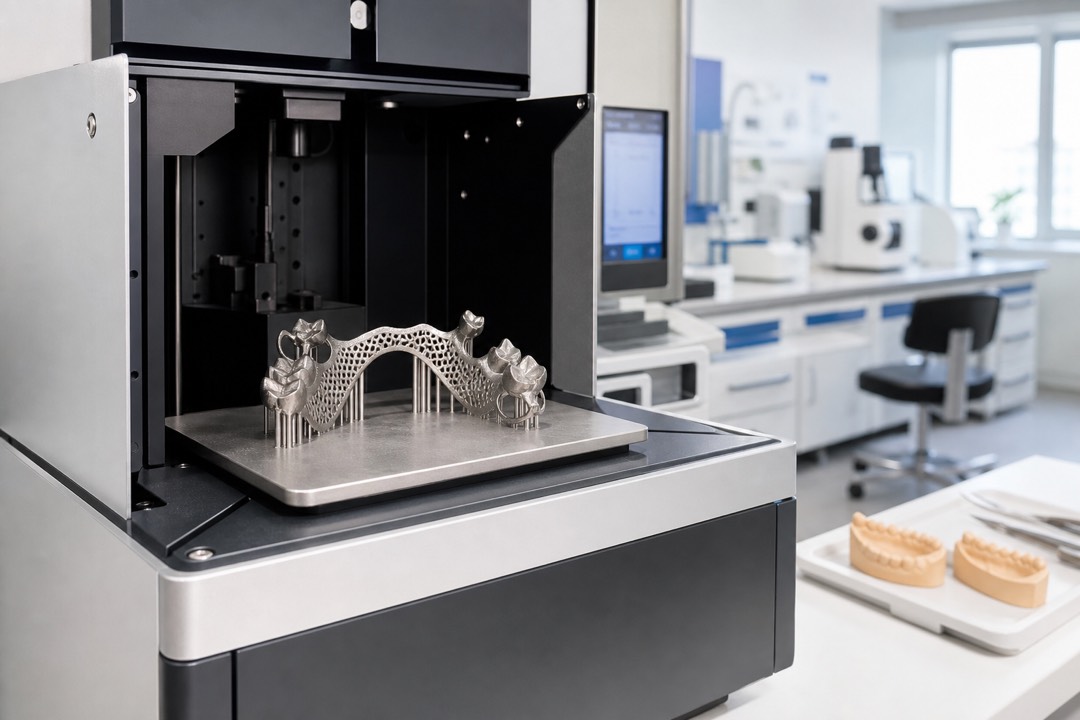
Metal dental framework printer Miami removable labs consider when casting remakes, wax labor, or turnaround pressure justify digital RPD production. Laser-sintered cobalt-chrome frameworks from validated designs reduce investment porosity issues and improve repeatability on clasp geometry compared to hand-waxed equivalents. Evaluate monthly partial volume before sizing powder capacity and build plate nesting strategy. Labs producing 10 to 15 frameworks weekly often see measurable ROI when casting remakes exceed eight percent monthly. Digital frameworks help when clinics need consistent fit on distal extension cases where clasp flexibility determines first-insertion success. Track remake rates by month so equipment decisions reflect actual production load, not brochure examples from unrelated lab types. Partial labs transitioning from casting should model powder cost, design labor, and finishing time against current wax-invest-cast cycles before sizing equipment. Parallel workflows during transition let you compare remake rates on the same case types without stopping production.
Get in touch, we're here to help
Send us a message using the form below and we’ll get back to you shortly!
Design, Printing, and Finishing for Partial Frameworks
Digital partial design validates clasp flexibility, major connector thickness, and mesh patterns before print. A metal dental framework printer reproduces framework geometry more consistently than manual waxing when design files are reviewed against clinical photos and cast scans. Partial framework design modules simulate undercut engagement so overtight clasp arms are corrected before build. Post-print finishing through mass finishing polishes tissue-contact zones and reduces hand polish hours that track directly to unit economics. Batch nesting multiple frameworks per build plate lowers powder cost per unit versus single-case builds. Dealers should include partial module training covering Kennedy Class I and II cases common in removable schedules, not only band or bridge demos. Support removal, framework inspection, and tissue-contact finishing steps belong in written SOPs before first live builds. Consistent post-print finishing reduces clinic adjustment time and helps technicians trace fit complaints to design, print, or finish steps quickly.
Powder Room Layout, Safety, and Supplier Support
Metal printing requires dedicated ventilation, powder containment, and cleanup protocols many commercial lab spaces must plan before install. Metal dental framework printer Miami installs should include landlord coordination for exhaust requirements and separation from resin print areas to prevent cross-contamination during QC. Train all staff on HEPA cleanup procedures before first build. Build parameter logs tied to each framework lot help trace fit complaints quickly when clinics report issues weeks after delivery. Partial labs transitioning from casting should run parallel workflows until print QC matches casting remake rates on their case mix. Reseller agreements should name who adjusts parameters when powder lots change and define travel zones for on-site laser service across South Florida. Landlord approval for exhaust modifications and powder room layout should be confirmed before equipment deposits clear. Dealers should review partial design files with your team before first production builds so clasp settings match clinic preferences. Reseller agreements should define who recalibrates build parameters when cobalt-chrome powder lots change between orders.
FAQs
Why do South Florida labs adopt metal printing for partials?
Casting labor constraints, remake costs, and turnaround pressure drive adoption when partial volume justifies powder handling infrastructure and design training.
What partial case types print most successfully?
Distal extension frameworks with digital clasp design and repeated orders from the same clinic benefit first from print consistency.
How much space does a Miami partial lab need for metal printing?
Plan separate powder handling, printing, support removal, and finishing zones. Combined spaces increase contamination and exposure risk.
Do printed frameworks need different clinical delivery instructions?
Clinicians may need briefings on clasp adjustment differences versus cast frames until they gain experience with digital fit profiles.
Can partial labs start metal printing without stopping casting immediately?
Many labs run parallel workflows during transition until print QC matches casting remake rates on their active case types.
Your business deserves the best solutions
Let's connect and elevate your business!